Technique, materials and guided practice
Colored pencil coloring tutorials
Learn to color step by step with practical guides by Javier Origin: blending, choosing paper, characters, references, materials and exercises to improve your colored pencil technique.

Main guides
Featured tutorials
Start with a specific guide and practice one skill: blending, paper selection, characters, observation or materials.
 New
New
How to color characters with colored pencils
A guided tutorial covering skin, hair, clothes, eyes, pressure, layers and finishing touches with a Polychromos palette.
 Technique
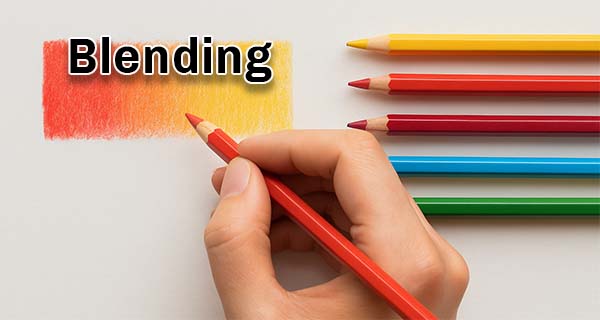
Blending with colored pencils
Learn to create smooth transitions, clean gradients and controlled blends using layers, a blender, solvent and pressure.
 Materials
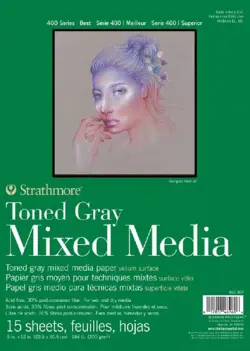
Choosing paper for colored pencils
Compare smooth, vellum, mixed media and colored papers, as well as surfaces for many layers or precise detail.
Start with drawing
Learn to draw step by step
If you would like to create your own drawing before coloring, try one of these guides. Follow each image at your own pace, from simple shapes to the finished drawing.
Choose your path
What would you like to learn today?
If you are not sure where to start, use these learning paths to go straight to the tutorial or resource that suits you best.
Control pressure and layers
Start with blending, pressure scales and short exercises before attempting a complete illustration.
Start blendingChoose paper and tools
Learn which paper to use, which pencils to choose and which accessories actually help with the finish.
Choose paperSkin, hair, clothes and eyes
Follow a complete process for coloring characters with a limited palette and gradual layers.
Color charactersUse real-life references
Practice light, proportion, form and texture using real objects selected for study.
View references (in Spanish)
Essential techniques
Master blending and pressure control first
Your coloring improves when you understand how pigment behaves: light pressure, gradual layers, bridging colors, burnishing and final blending.
Allows you to make corrections, add layers and retain brightness.
Reduce abrupt changes between colors and soften transitions.
Blenders and burnishing work best when enough pigment is already on the paper.
Choose materials with a purpose
Choose paper and pencils to suit your practice
You do not need to buy everything. A small palette, paper that accepts layers and a repeatable exercise are often better for making progress.
Learn by doing
Resources for practicing after each tutorial
After reading a guide, apply the technique to a drawing, a template or a real-life reference. That is when theory starts to become a practical skill.
 Practice
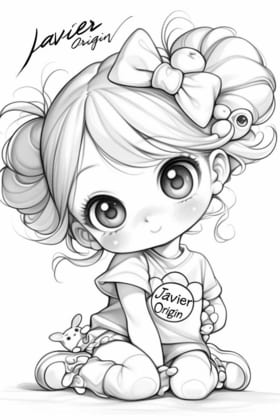
Resources for drawing with pencils
Templates, drawings, references and exercises to practice pressure, palettes, blending and finishing.
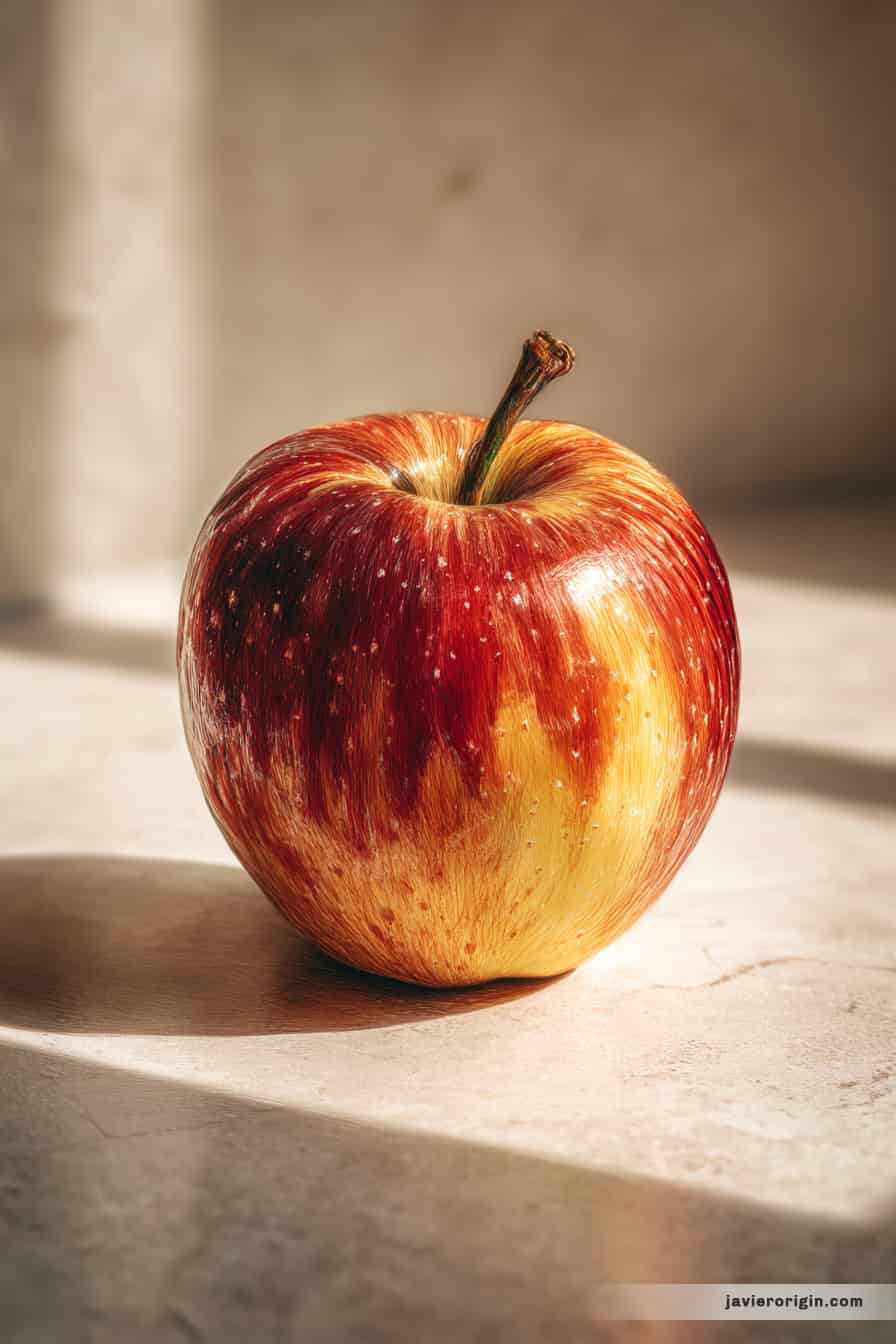 References
Reference images
Practice light, form, metal, wood, felt, ceramics, transparency and textures using selected objects.
 Coloring pages
Coloring pages
Choose a coloring page and apply what you have learned to fur, skin, clothes, wings, scales, eyes or backgrounds.
Live sessions too
Learn by watching complete processes
On the YouTube channel, you can watch live streams and coloring sessions where decisions are explained as the drawing progresses.
Frequently asked questions
Tutorials, practice and learning
Why does this page exist when there is already a Learn page?
Learn is the main page for this section. Tutorials brings together step-by-step guides and helps you quickly find practical articles in the archive.
Which tutorial should I read first?
If you are a beginner, start with Blending and then Choosing Paper. Once you can control pressure and layers, move on to the character tutorial.
Do I need professional pencils?
No, although a good-quality set makes layering, blending and control easier. The key is to practice pressure, layer order and observation.
Where can I practice what I have learned?
The Resources section has templates, black-and-white drawings and reference images for applying each technique.
Can I follow these tutorials with any paper?
Yes, but the result can vary considerably. It is a good idea to read the paper guide and make a small sample before working on a complete drawing.
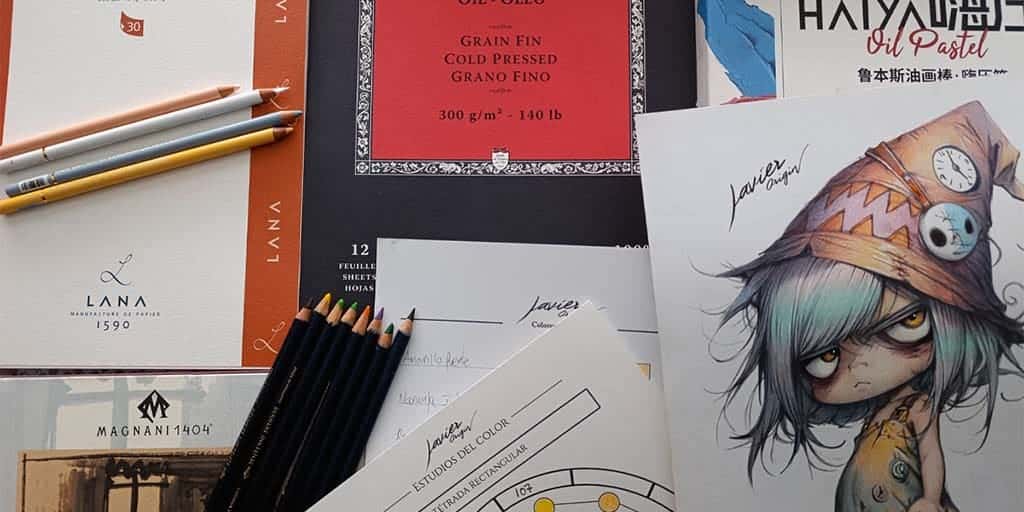
Choose a technique and practice it today
A tutorial is more useful when you turn it into hands-on practice
Prepare a sheet of paper, choose a few colors and repeat the exercise patiently before moving on to a complete illustration.