Templates, exercises, references and technique
Resources for drawing with colored pencils
Practice materials for learning color in one place: study sheets, black-and-white drawings, reference images, tutorials, tools and community examples.
Start with what you need today
Six paths to purposeful practice
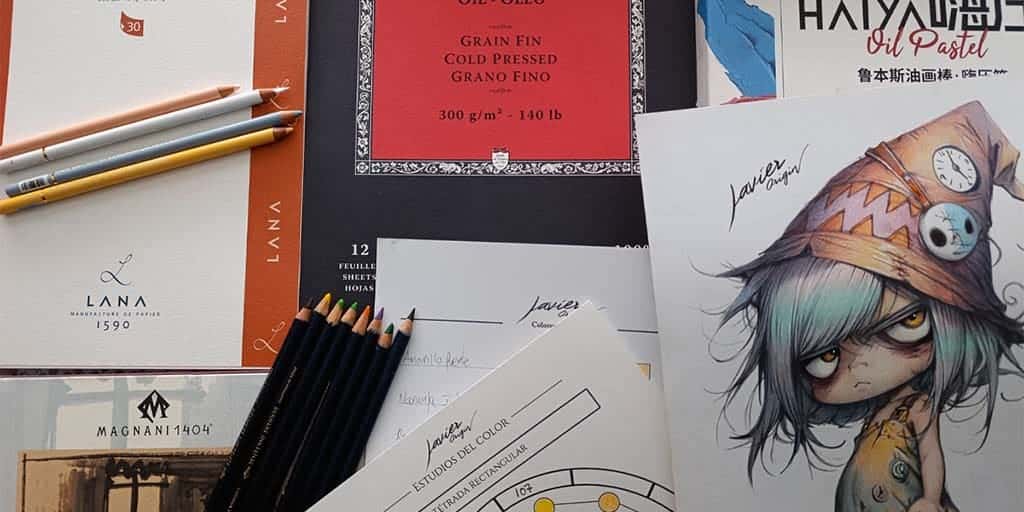
You do not need all the resources at once. Choose one skill and work with a single sheet or reference.
Study templates
Color wheels, blends, gradients, stroke pressure and harmonies to help you understand your pencils.
Black-and-white drawings
Practice color, volume and textures without first having to solve the sketch and composition.
Reference images
Study proportion, light, temperature, reflections and materials through real objects.
Step-by-step tutorials
Learn blending, layering, paper choice, pressure, textures and finishes through focused exercises.
Materials and tools
Explore the pencils, papers and accessories Javier Origin uses in real sessions.
Live streams and community
Watch complete processes, join challenges and compare different interpretations of one template.
Understand how your colors behave
Study sheets and templates
These exercises help you test materials and combinations before using them in a complete illustration.
Color wheel
Arrange primary, secondary and tertiary colors. Note the brand and number of each pencil used.
Blends and gradients
Combine two or three colors and record their order, pressure and number of layers.
Pressure scale
Move from an almost transparent layer to intense coverage without breaking the transition.
Color harmonies
Compare analogous, complementary, warm and cool combinations.
Record every test so you can repeat it
A swatch is more useful when it includes the paper name, brand, pencil code, pressure and number of layers.
- Date and exercise goal.
- Paper and side used.
- Colors in application order.
- Blending or finishing tool.
Focus entirely on color
Three black-and-white drawings for practice
Use these illustrations to test a palette, repeat an exercise or practice without creating the sketch.
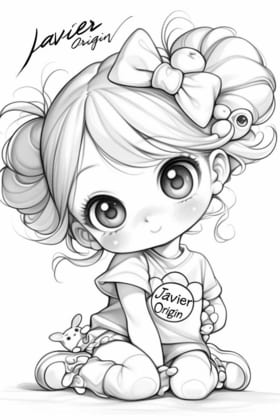 Beginner
Seated kawaii girl
A clear figure for practicing skin tones, eyes, hair and a limited palette.
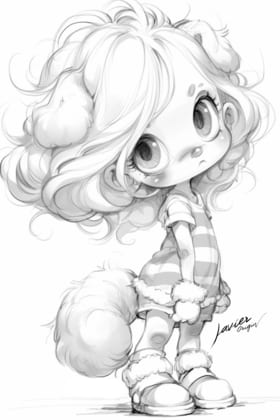 Textures
Winter girl
Practice soft materials, wavy hair and differences between clothes, boots and accessories.
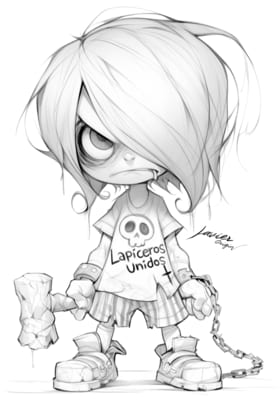 Contrast
Alternative-style character
Use a dark or neon palette to explore contrast, metal, fabric and small details.
Observe before inventing
Reference images for studying light and materials
The reference library brings together real-world objects selected for their lighting, texture and educational usefulness.
A simple session you can repeat
A five-step practice plan
Reduce decisions before starting so you can spend more time observing and coloring.
Choose a skill
Gradients, skin, metal, wood, fur or color harmony.
Pick the resource
Use a template, drawing or reference image.
Limit your palette
Prepare five to eight pencils and arrange them from light to dark.
Practice in layers
Start with light pressure and increase intensity gradually.
Record the result
Note the paper, colors, application order and what you learned.
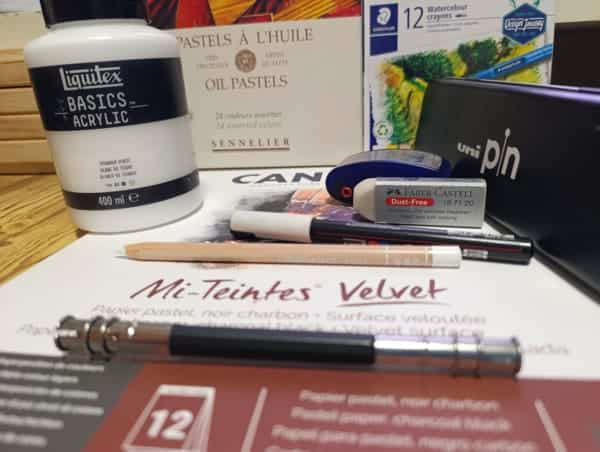
Tools used in real practice sessions
Materials and guides for making the most of these resources
Prepare suitable paper, a small palette and a specific technique before opening a complex illustration.
Compare weight, texture and how many layers it accepts.
Separate highlights, midtones, shadows and bridging colors.
Layers, a blender, burnishing or solvent, depending on the finish.
Make a sample on the same paper before coloring the artwork.
One template, many ways to feel color
Artwork by Lapiceros Unidos
Comparing interpretations helps you discover new palettes, materials and technical solutions.
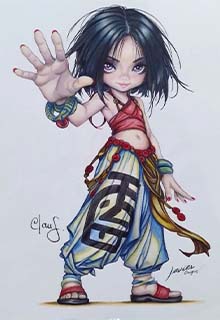
@klaudhyn

@Gisele

@elenamartin
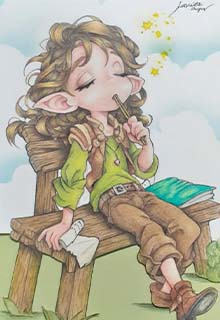
@larab.scrap
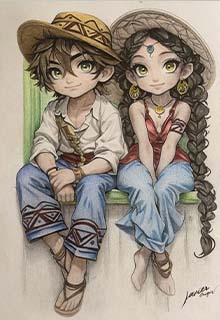
@coneltoquedeale
Essential library
Three guides to get started
Blending
Learn layering, bridging shades, blenders, solvent and burnishing.
View the blending guideChoose paper
Compare weight, texture, composition and surfaces.
View the paper guideReference images
Practice light, proportion, color and materials using real-world objects.
Open references (in Spanish)Frequently asked questions
Templates, drawings and art practice
Where should I start if I have never used colored pencils?
First practice a pressure scale and a two-color gradient. Then apply the same exercise to a simple drawing.
What is the difference between a template and a coloring page?
A template studies a specific skill, such as pressure or harmony. A drawing lets you apply several skills within one illustration.
Can I download the drawings on this page?
Yes. Click “Open drawing,” save the full image and use it for personal or educational practice.
How do I use a reference image?
Observe the shape and values first. Then prepare a limited palette and leave texture for the final layers.
Do I need professional pencils?
No. Practice pressure, layers and observation with any set. Good paper and a small palette often help more than owning many colors.
Where can I watch complete processes?
The Colorear con Javier Origin channel has live streams and sessions that develop illustrations step by step.
Can I share my practice?
Yes. Mention @javierorigin and respect the authorship and usage terms of the template, drawing or reference.
A small practice session can teach you a lot
Choose a skill and finish an exercise today
Prepare a few colors, build pressure gradually and record which paper-and-pencil combination worked.
Download your practice templates
Print on A4 paper at actual size (100%). Test your pencils and record the colors before starting an illustration.

Colored pencil practice sheet

Blank 36-swatch color chart
