Light, color, proportion and texture
Reference images for drawing and coloring
Download study images selected by Javier Origin to practice drawing with colored pencils. Observe real objects, analyze the light and turn each reference into an exercise in proportion, volume, texture and blending.
Downloadable study material
Reference image gallery
Choose an image and download it to practice at your own pace. If you are starting out, try the apple, stone or mug.
Beginner
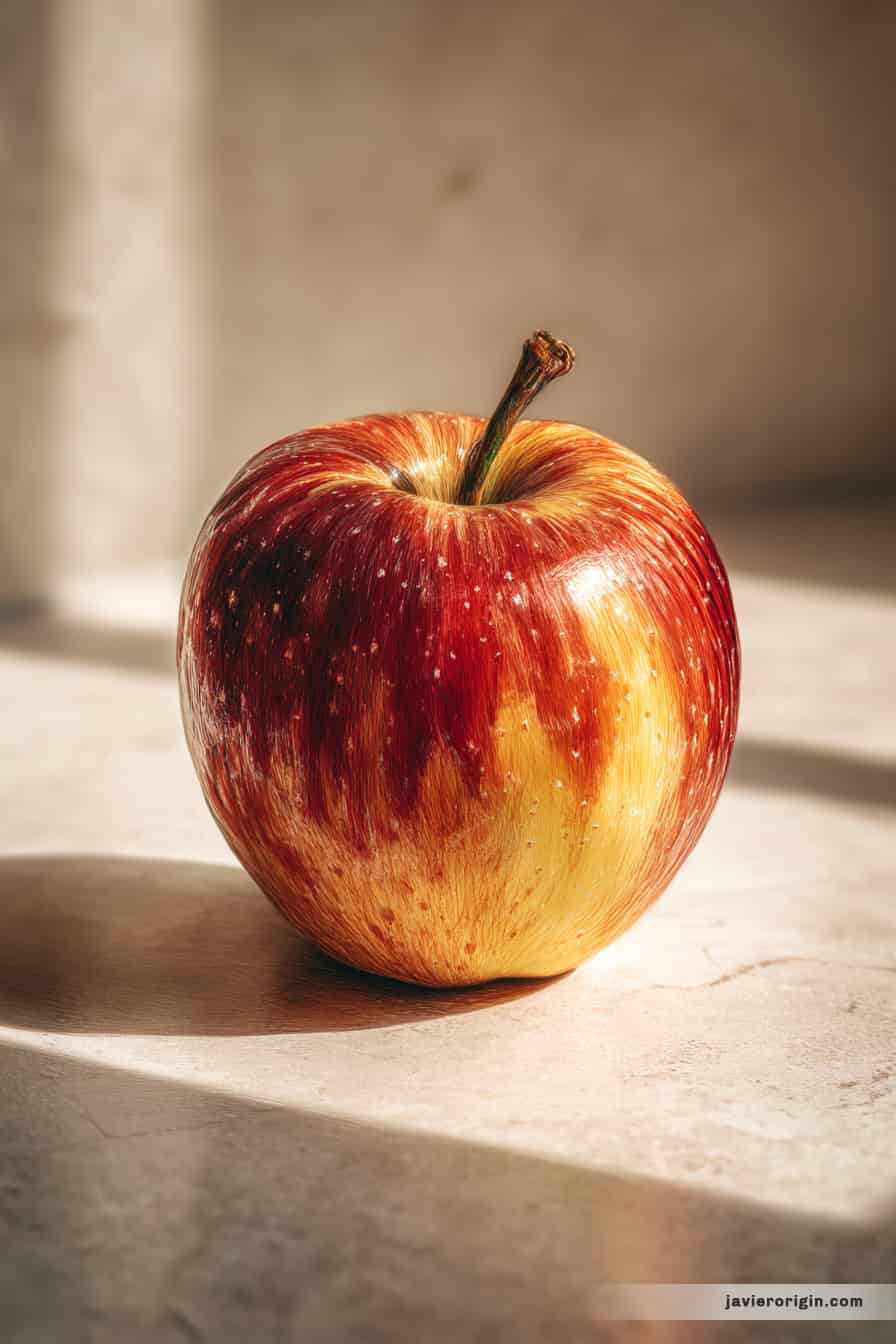
Red apple
A classic exercise for practicing spherical form, warm and cool reds, and the main highlight.
 Beginner
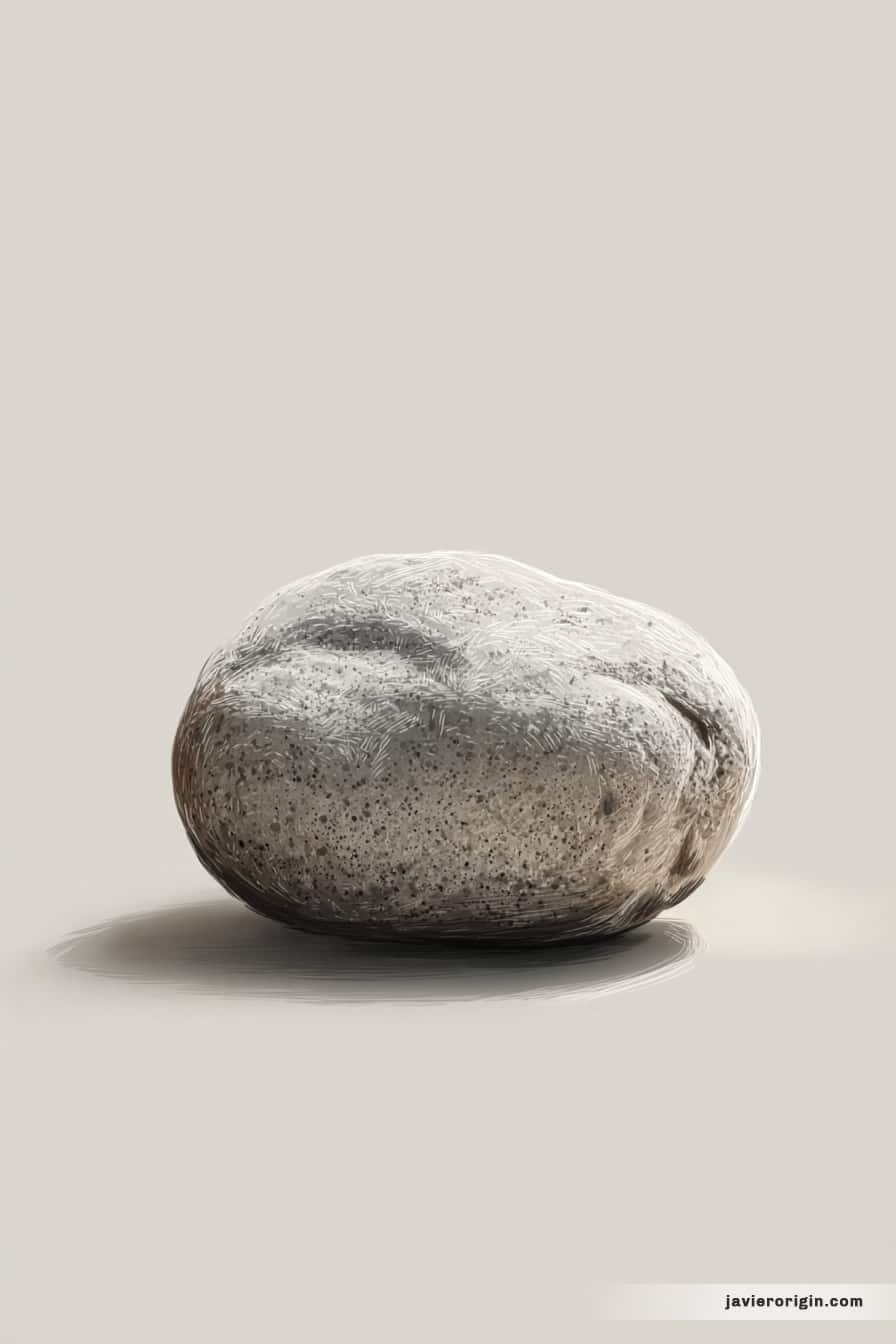
Smooth stone
Simplify the object into a basic shape and practice volume with grays, beige and small cool nuances.
 Ceramic
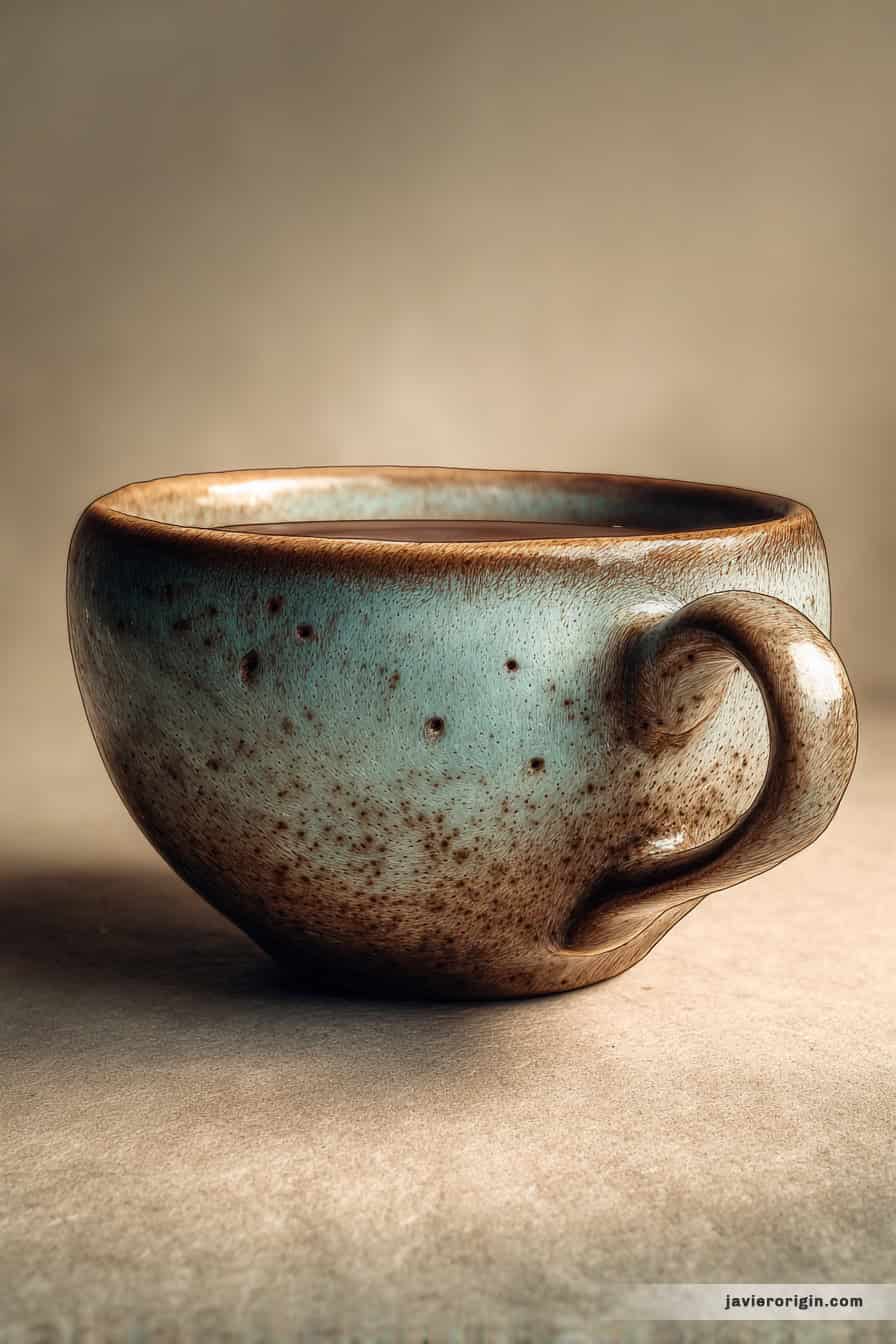
Handmade mug
Practice ellipses, proportion, soft reflections and color variations within the ceramic.
 Felt
Felt
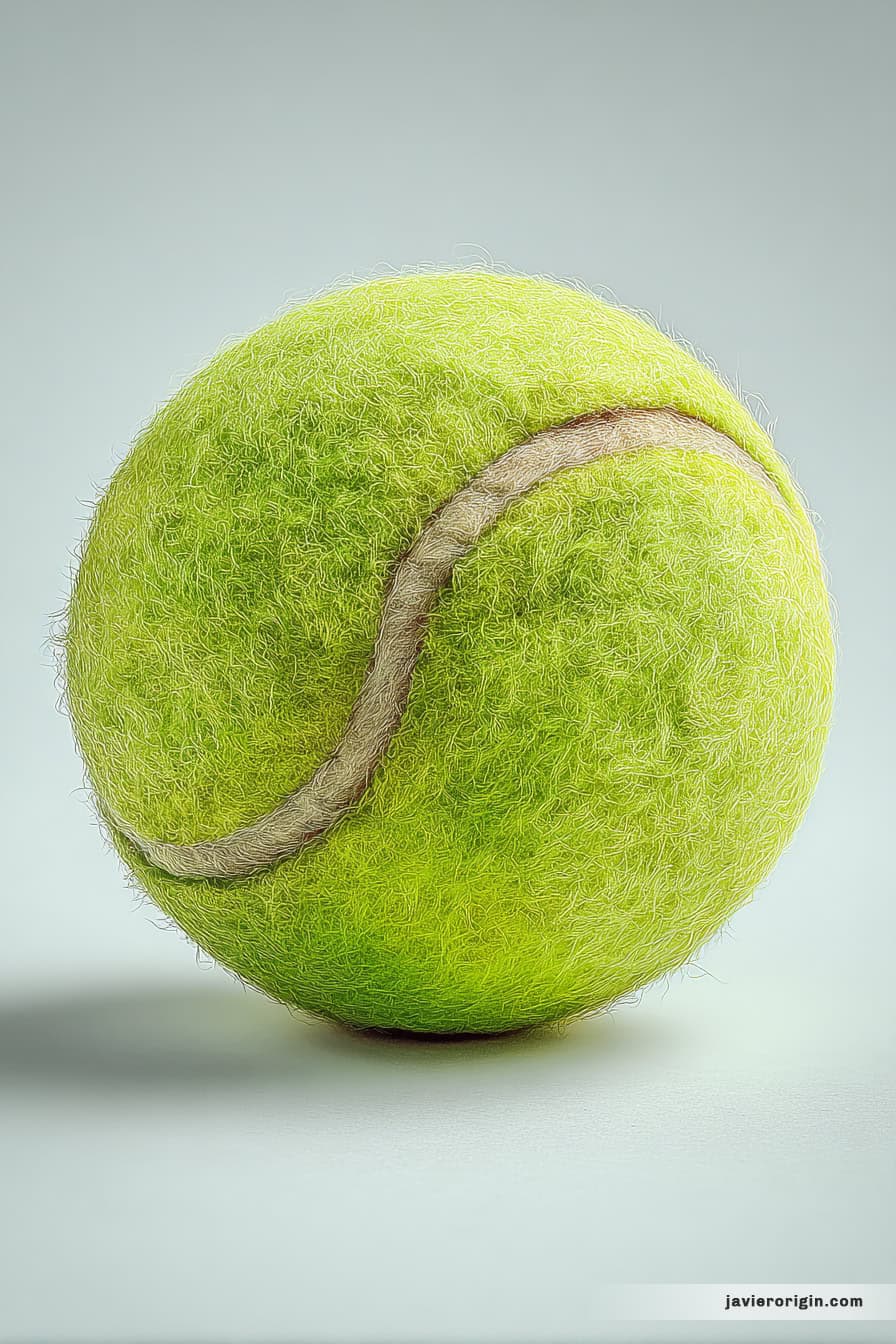
Tennis ball
Practice short strokes, directional texture and transitions between warm and bluish greens.
 Organic
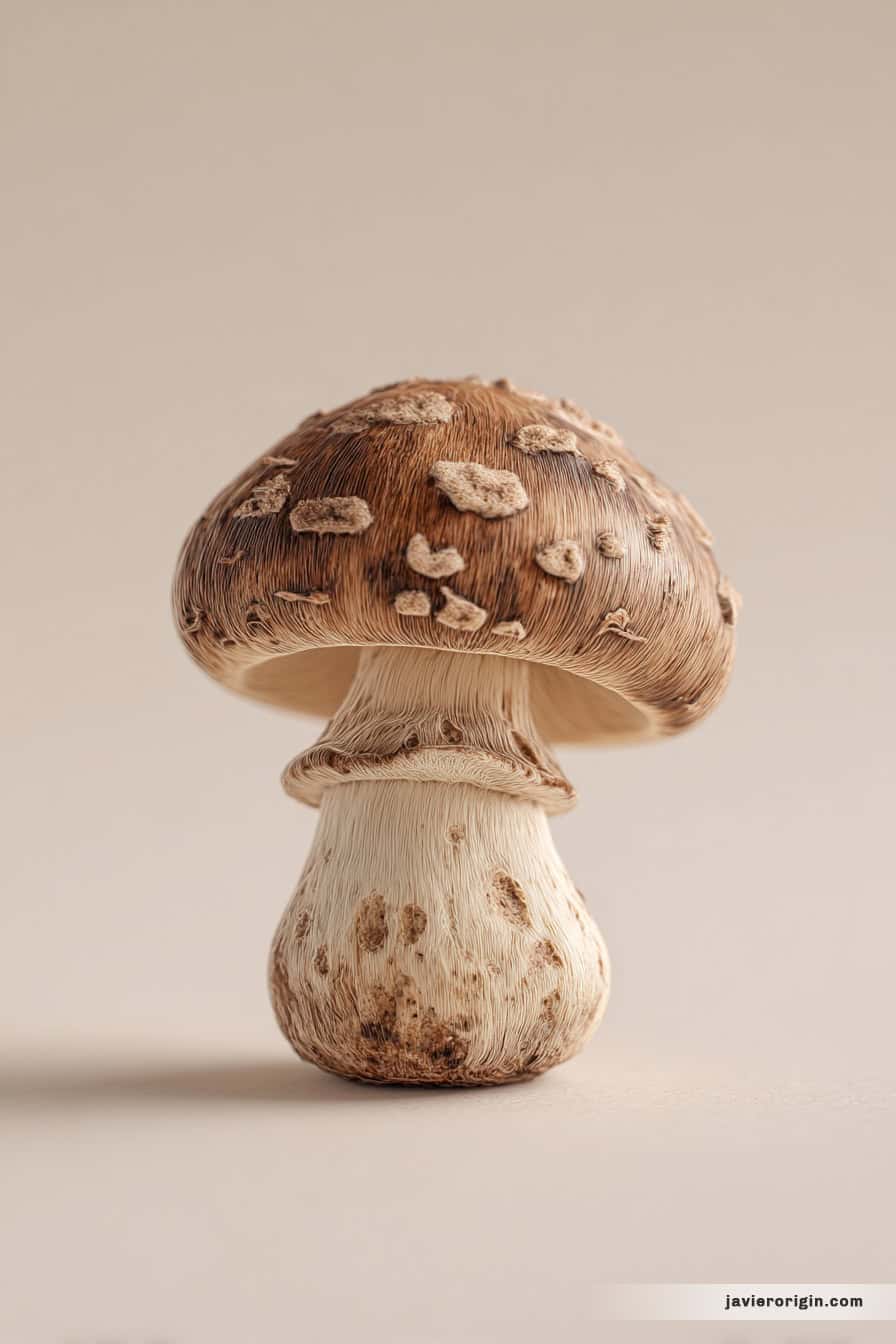
Brown mushroom
Study an uneven surface, earth tones and transitions between the cap, gills and stem.
 Wood
Wood
Classical guitar
Practice reflections on varnish, warm wood, strings and a scene with side lighting.
 Transparency
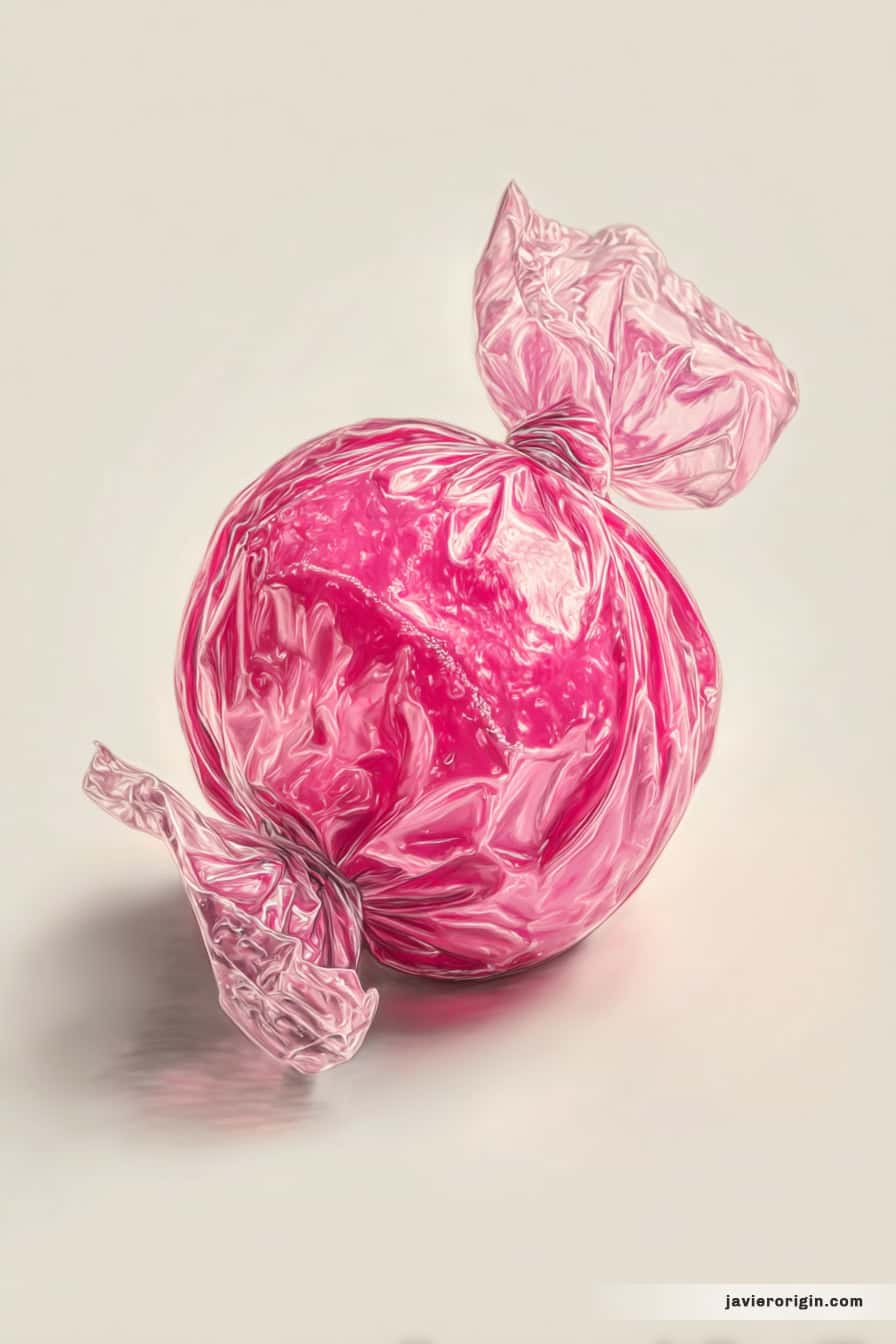
Pink candy
Practice transparent folds, white reflections and variations of pink inside the wrapper.
 Metal
Metal
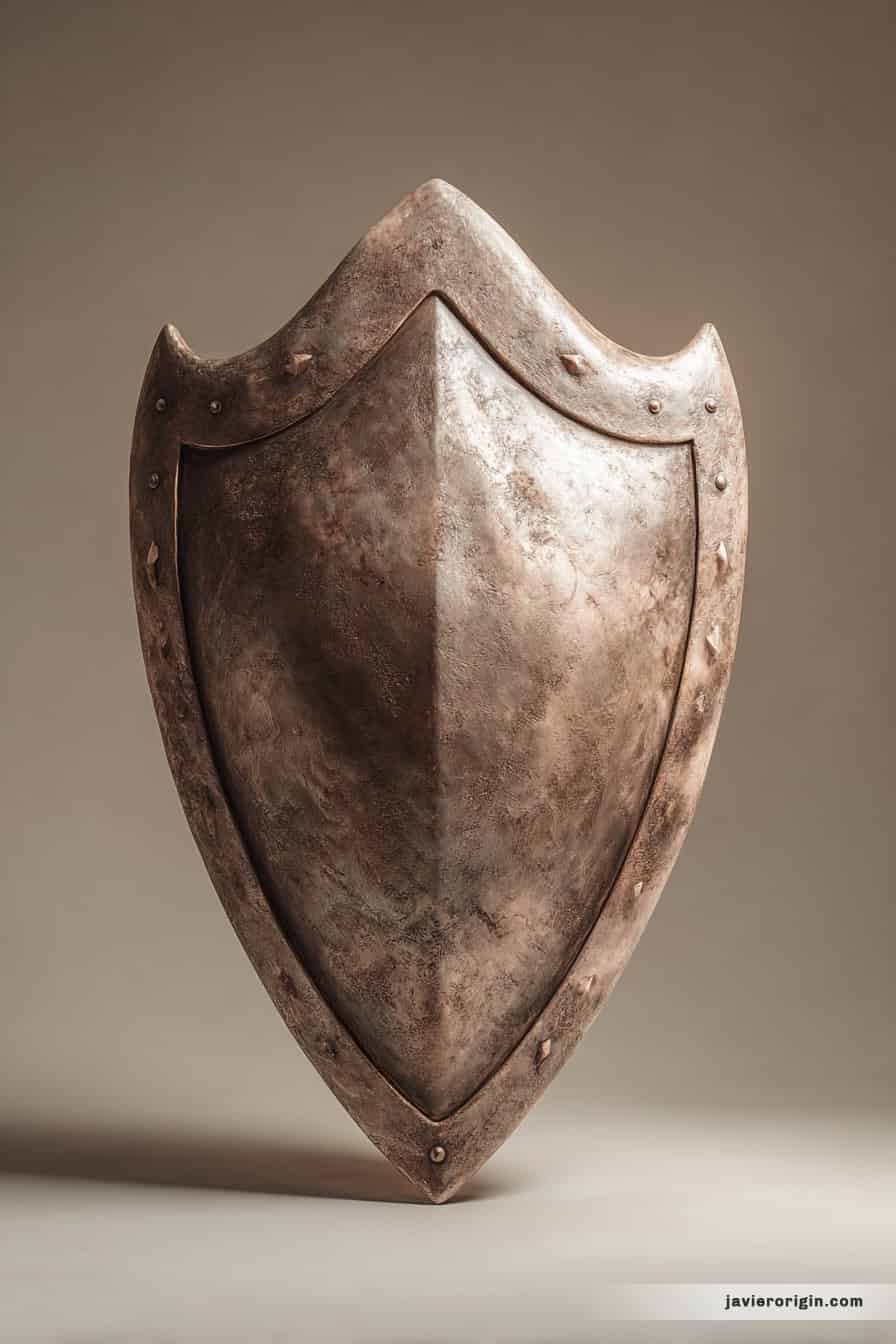
Weathered shield
Study cool surfaces, sharp reflections, edges and rusty or worn areas.
 Iridescence
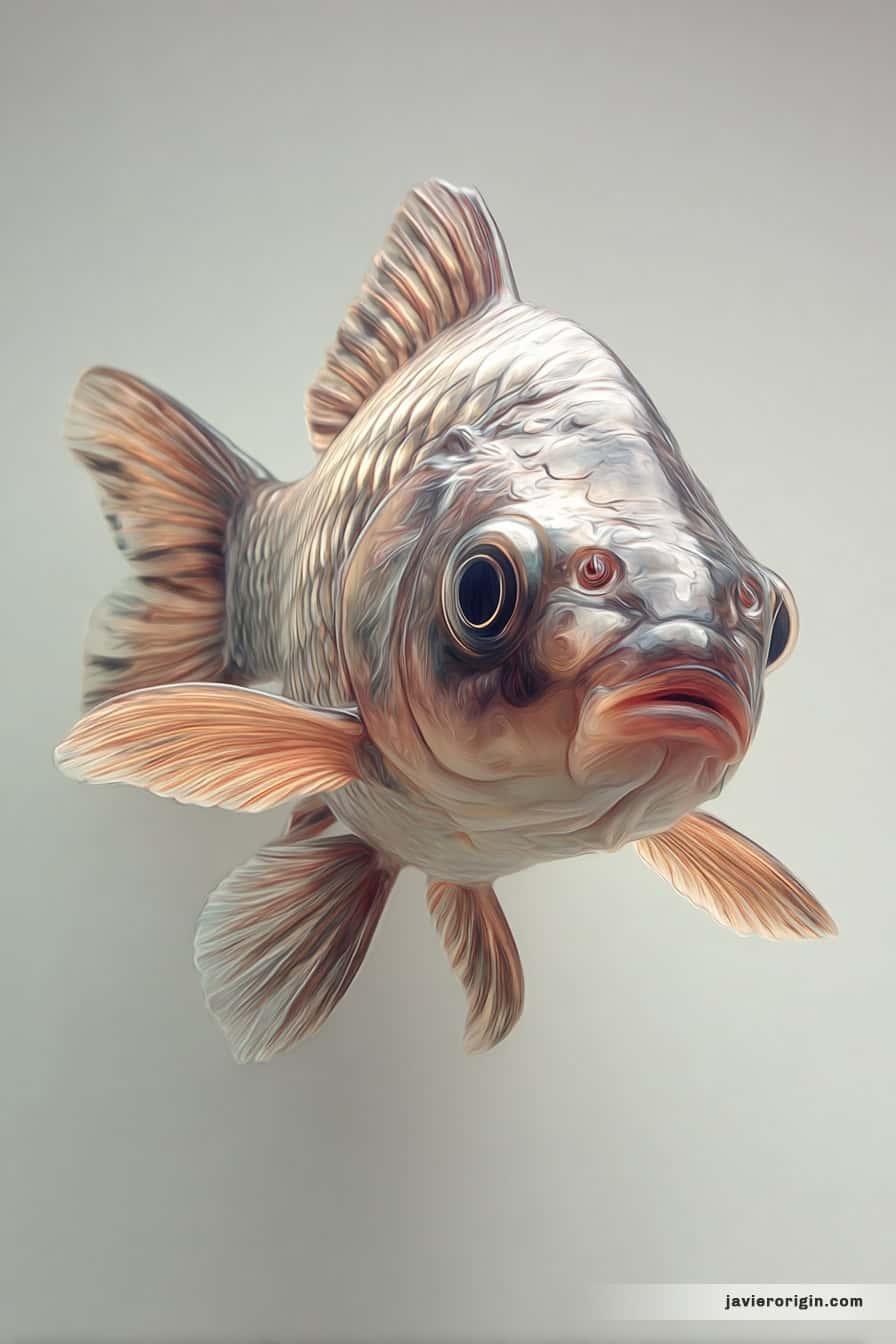
Silver fish
Observe how gray, blue, pink and beige create a seemingly silver surface.
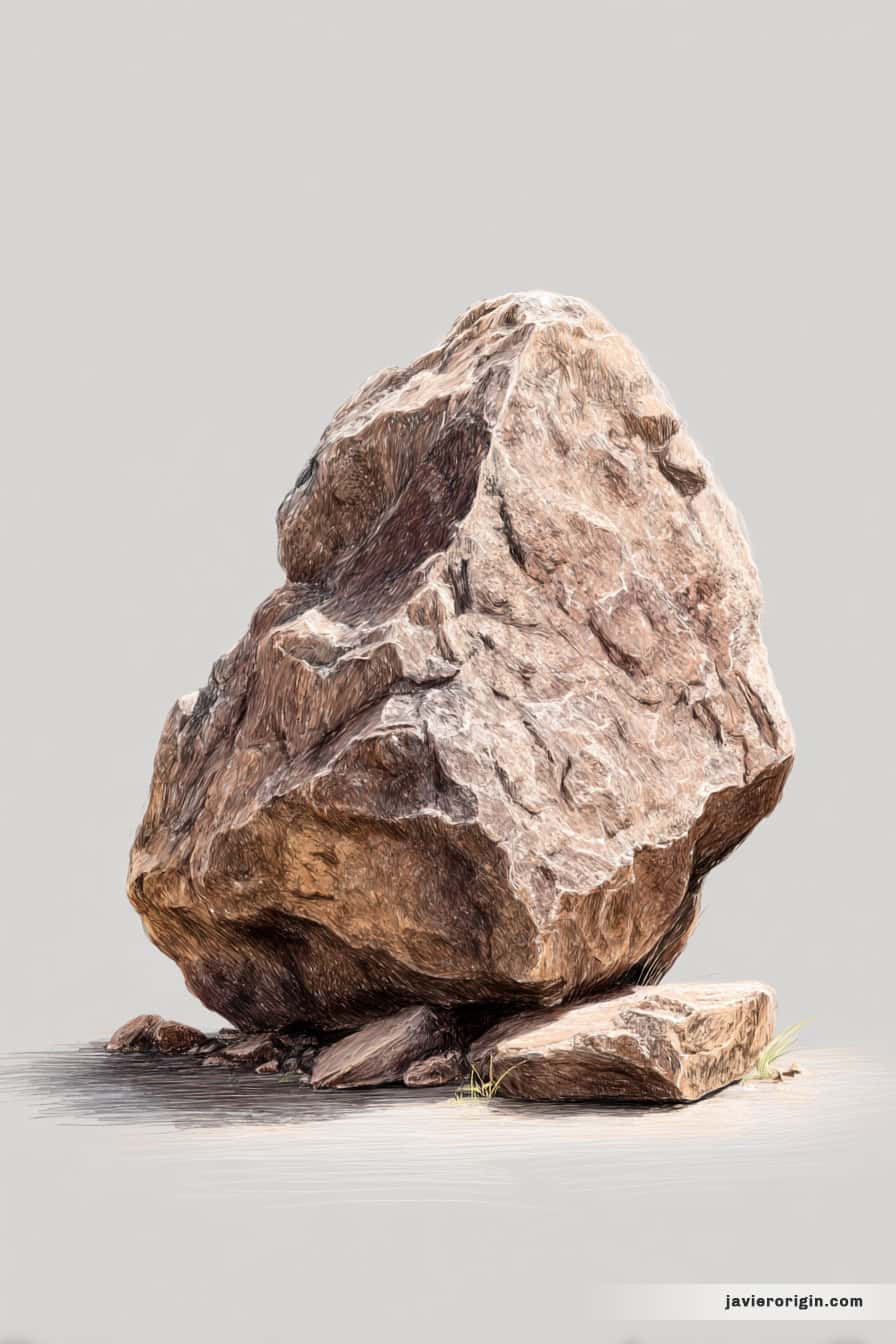 Structure
Large rock
Practice planes of light, hard and soft edges, and texture without drawing every crack.
Learn to observe before drawing
How to use a reference image
The aim is not to copy every pixel. Use the image to understand proportions, values, temperature changes and how materials behave.
- Reduce the object to simple shapes.
- Locate the main light source.
- Compare highlights, midtones and shadows.
- Observe the texture before choosing your strokes.
Four observation goals
What you can learn from a real-world reference
Choose one goal for each practice session. Trying to study everything at once usually makes the exercise more complicated.
Proportions
Compare height, width, angles and distances between the main parts.
Light and shadow
Identify direct light, form shadows and the cast shadow.
Observed color
Look for warm and cool variations instead of choosing one flat local color.
Texture
Distinguish plastic, metal, wood, stone, felt and ceramic.
Start with a manageable challenge
Which reference to choose for your level
Difficulty depends on the shape, number of materials and type of reflection.
Apple, stone and mug
Clear shapes, one main light source and few materials within the scene.
Ball, mushroom and guitar
These add texture, details, ellipses and more varied color changes.
Candy, shield, fish and rock
Transparency, metal, iridescence and complex planes require more analysis.
A six-step study method
From reference to colored pencil drawing
Work from the general to the specific. Details work better once the structure and values are established.
Framing and silhouette
Set the object’s size and check its height, width and angle.
Basic shapes
Reduce the object to spheres, cylinders, ellipses, boxes or planes.
Value map
Separate light, midtone, form shadow and cast shadow.
Limited palette
Select five to eight pencils before applying the first layer.
Layers and volume
Build the main color areas first and increase pressure gradually.
Texture and reflections
Add edges, fibers, cracks, highlights and small accents last.
Short, focused practice
Six exercises with the reference images
Each exercise focuses on one skill. You can complete it without finishing a whole illustration.
Apple silhouette
Draw only the outline, the top hollow and the cast shadow.
Shield in grayscale
Ignore color and reduce the metal to five values from white to dark.
Tennis ball texture
Practice short strokes on a sphere without drawing the complete seam.
Candy reflections
Color just one area of plastic and reserve the paper’s white for highlights.
Rock planes
Simplify the surface into six or eight large planes before adding cracks.
Mug ellipse and volume
Construct the rim, base and handle before studying the glaze and texture.
Color theory applied to real objects
Observe relationships, not isolated colors
An object’s local color changes with the light, surroundings and reflections from nearby surfaces.
Decide whether the lighting is warm, cool or neutral.
Identify the base shade before adding light and reflections.
Compare the shadow with the object and background.
Look for colors bouncing from the table, wall or nearby objects.
Frequently asked questions
Downloading, practicing and using references
How do I download a reference image?
Click the download button for the image you want to study. Save the JPG to your device for personal practice.
Should I copy every detail exactly?
No. Simplify shapes, change the framing or focus only on light, color or texture.
Which reference is best for beginners?
The apple, stone and mug have clear shapes for practicing volume without too many details.
Can I change the object’s colors?
Yes. First preserve the value structure, then try another palette while keeping the same lighting.
Can I publish my finished drawing?
Yes. Share your drawing for noncommercial purposes, credit Javier Origin as the reference source, link to the license and indicate any changes you made.
Can I use these images commercially?
The CC BY-NC 4.0 license allows sharing and adaptation for noncommercial purposes. Request permission first if you want to use them commercially.
Keep learning
Related resources
Blending
Blend the colors you observe using layers, bridging shades and gradually increasing pressure.
View tutorialChoose paper
Compare weight and texture before beginning a study with many layers.
View guideMaterials
Explore pencils, papers and accessories for drawing in color.
View materialsNews
Discover challenges, practice sessions and shared artwork.
Visit the community (in Spanish)Drawing means learning to observe
Choose a reference and study one skill
Start with the silhouette, analyze the light and leave texture for the final layers.